
Soil testing is a critical step in ensuring the stability and reliability of construction foundations. By analyzing soil composition and characteristics, professionals can identify potential risks and tailor foundation designs accordingly.
This article explores the significance of soil testing in construction projects compression testing machine, highlighting the benefits of professional analysis and the potential consequences of overlooking this crucial step. Enhance your understanding of foundation longevity and stability through a detailed examination of the importance of soil testing.
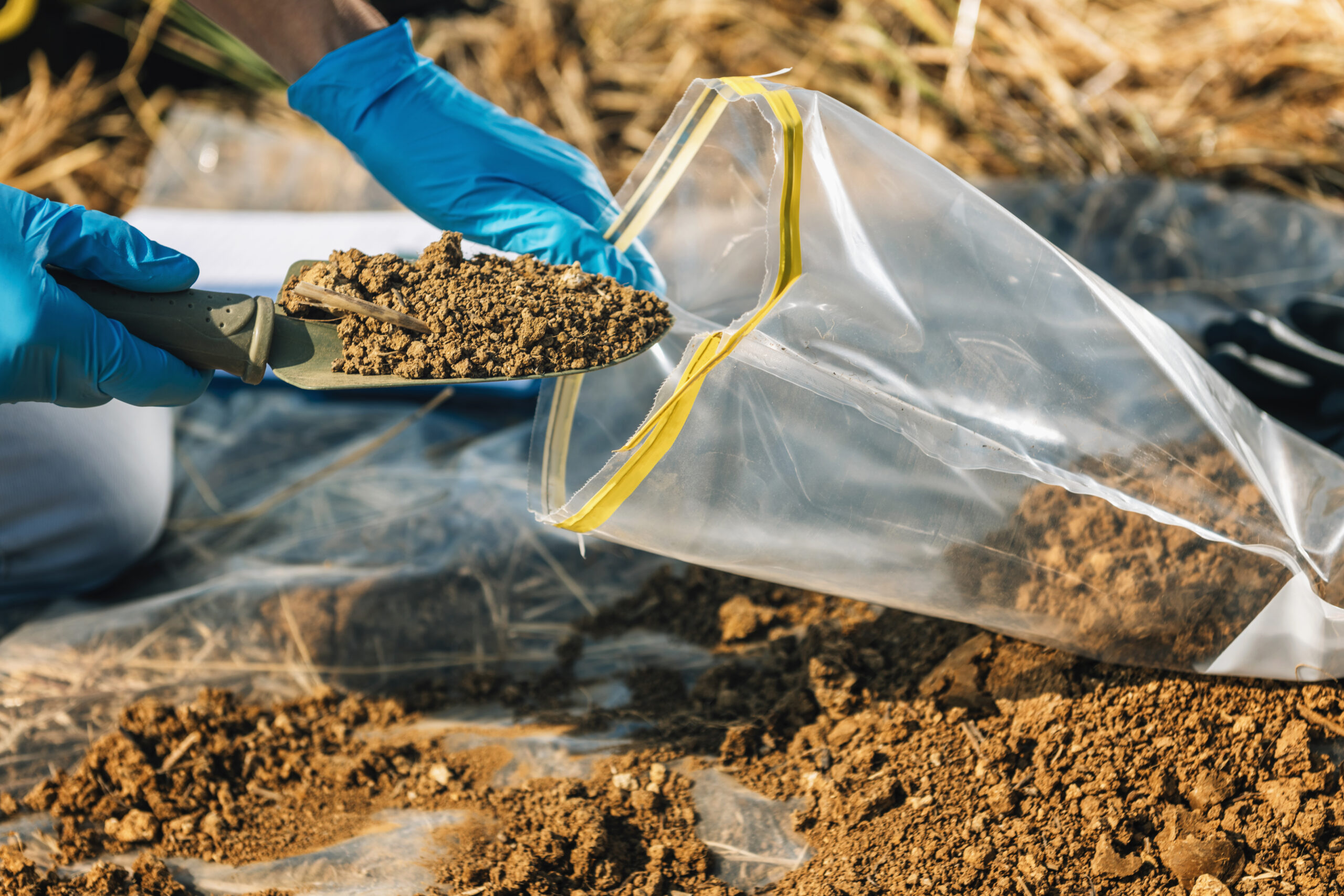
Importance of Soil Testing in Construction
Soil testing plays a crucial role in construction projects as it provides essential data for ensuring the stability and safety of structures. By examining the soil composition automatic compression testing machine, density, moisture content, and bearing capacity, engineers can make informed decisions regarding the design and foundation of buildings.
Understanding the soil conditions helps in determining the type of foundation that will best support the structure, preventing issues such as settlement, shifting, or even structural failure. Without proper soil testing, construction projects are at risk of encountering costly problems in the future.
Therefore, investing in thorough soil testing at the initial stages of a construction project is imperative to guarantee the longevity and reliability of the built environment, giving stakeholders the freedom to proceed with confidence.
Factors Affecting Foundation Stability
Examining the factors affecting foundation stability is crucial for ensuring the long-term durability and safety of structures in construction projects. One significant factor is the soil type on which the foundation is built. Different soil types have varying load-bearing capacities and settlement characteristics, directly impacting the stability of the foundation.
Additionally, environmental factors such as excessive moisture content or changes in temperature can lead to soil expansion or contraction, affecting the foundation’s integrity. The depth at which the foundation is placed in the soil also plays a vital role in stability, as deeper foundations offer better support and resistance to external forces.
Lastly, proper construction techniques and adherence to industry standards are essential factors in ensuring a stable foundation for any structure.
Benefits of Professional Soil Analysis
When undertaking construction projects, it is imperative to conduct professional soil analysis to ascertain the underlying properties that can impact foundation stability.
Professional soil analysis offers numerous benefits that contribute to the overall success and safety of a construction project. Firstly, it provides a detailed understanding of the soil composition, including factors like soil type, density, moisture content, and compaction levels. This information is crucial in determining the appropriate foundation design and construction techniques required to ensure long-term stability.
Additionally, professional soil analysis helps identify potential risks such as soil erosion, settlement issues, or expansive soil conditions, allowing for proactive measures to be taken to mitigate these risks before construction commences.
Ultimately, investing in professional soil analysis can prevent costly foundation failures and ensure the durability and reliability of the built structure.

Risks of Skipping Soil Testing
Failure to conduct thorough soil testing before construction can lead to significant risks and challenges during the foundation building process. Without proper soil analysis, the foundation may lack the necessary support, potentially resulting in structural issues such as settlement, cracking, or even collapse.
Skipping soil testing increases the likelihood of unforeseen complications arising during construction, leading to project delays, increased costs, and safety concerns. Moreover, inadequate soil investigation can compromise the stability and longevity of the entire structure, posing risks to occupants and neighboring properties.
Ignoring soil testing not only jeopardizes the success of the current construction project but also undermines the overall safety and durability of the built environment. Therefore, investing in comprehensive soil testing is essential to mitigate these risks and ensure a reliable foundation.
Enhancing Foundation Longevity
To ensure optimal foundation longevity, a thorough and periodic evaluation of soil conditions is imperative. By conducting regular soil testing, potential issues such as soil settlement, expansive soil behavior, or soil erosion can be detected early on. Addressing these concerns promptly can help prevent structural damage to the foundation, ensuring its stability over time.
Moreover, soil testing allows for the identification of suitable foundation types based on soil characteristics, enhancing the overall resilience of the structure. Implementing proper foundation design and construction techniques informed by accurate soil testing data can significantly extend the lifespan of the foundation. Ultimately, investing in soil testing for foundation projects is a proactive measure that pays dividends in terms of durability and structural integrity.
Conclusion
In conclusion, soil testing is crucial for ensuring the stability and longevity of foundations in construction projects. By analyzing the soil composition and characteristics, professionals can identify potential risks and determine the appropriate foundation design.
Skipping soil testing can lead to unforeseen complications and costly repairs in the future. Therefore, investing in professional soil analysis is essential for establishing reliable foundations that can withstand the test of time.